Botswana
Botswana,
one of Africa’s premier safari destinations, is a land where pristine
wilderness, abundant wildlife, and deep cultural heritage converge. Known for
its commitment to conservation and low-impact tourism, the country offers some
of the most exclusive and unforgettable natural experiences on the continent.
At
the heart of its allure is the world-famous Okavango Delta, a sprawling oasis
of winding waterways, lush floodplains, and rich wildlife. A UNESCO World
Heritage Site, the Delta is a paradise for safari lovers. From mokoro (canoe)
excursions to game drives, visitors can encounter elephants, lions, leopards,
hippos, and countless bird species in an untouched, dreamlike environment.
Another
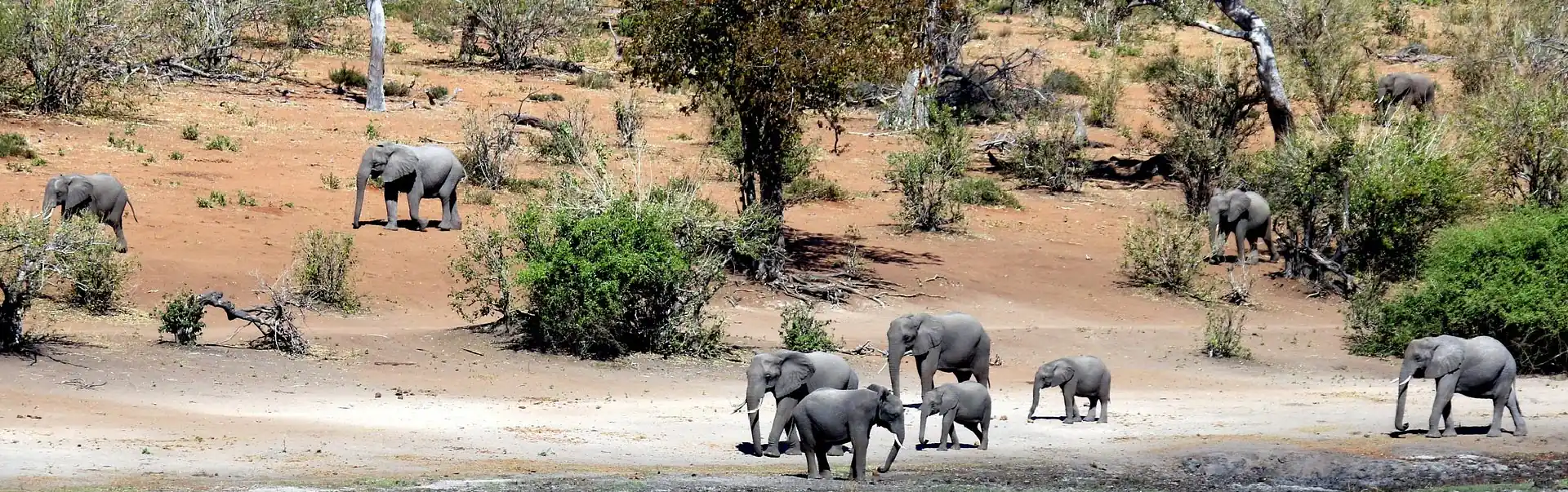
crown jewel is Chobe National Park, home to one of the largest elephant
populations on Earth. The Chobe River attracts vast herds of wildlife, offering
unmatched boat safaris and sunset views that linger long after the journey
ends. Botswana’s Makgadikgadi Pans, one of the world’s largest salt flats,
showcase surreal, otherworldly landscapes. Here, travelers witness migrating
zebras, flamingos, and star-filled night skies that feel almost endless.
Culturally,
Botswana is rich and proud. The traditions of the Batswana people—expressed
through dance, storytelling, beadwork, and warm hospitality—add depth and
meaning to every visit. Villages, local markets, and cultural tours offer
insight into a heritage rooted in community and respect for nature.
Botswana,
one of Africa’s premier safari destinations, is a land where pristine
wilderness, abundant wildlife, and deep cultural heritage converge. Known for
its commitment to conservation and low-impact tourism, the country offers some
of the most exclusive and unforgettable natural experiences on the continent.
At
the heart of its allure is the world-famous Okavango Delta, a sprawling oasis
of winding waterways, lush floodplains, and rich wildlife. A UNESCO World
Heritage Site, the Delta is a paradise for safari lovers. From mokoro (canoe)
excursions to game drives, visitors can encounter elephants, lions, leopards,
hippos, and countless bird species in an untouched, dreamlike environment.
Another
crown jewel is Chobe National Park, home to one of the largest elephant
populations on Earth. The Chobe River attracts vast herds of wildlife, offering
unmatched boat safaris and sunset views that linger long after the journey
ends. Botswana’s Makgadikgadi Pans, one of the world’s largest salt flats,
showcase surreal, otherworldly landscapes. Here, travelers witness migrating
zebras, flamingos, and star-filled night skies that feel almost endless.
Culturally,
Botswana is rich and proud. The traditions of the Batswana people—expressed
through dance, storytelling, beadwork, and warm hospitality—add depth and
meaning to every visit. Villages, local markets, and cultural tours offer
insight into a heritage rooted in community and respect for nature.
Botswana is
divided into districts, sub-districts, towns, and cities. Below is a simple
breakdown of the main areas:
1. Northern
Botswana
Famous for
wildlife, national parks, and the Okavango.
Key Areas
- Okavango Delta
- Maun (Gateway to the Delta)
- Chobe National Park
- Kasane (Border town near Zimbabwe,
Zambia, Namibia)
- Ngamiland District
- Tutume Subdistrict
- Seronga
- Shakawe
2. Central
Botswana
Known for salt
pans, wildlife, and major towns.
Key Areas
- Central District
- Serowe (Historic village, home of
Khama family)
- Selibe-Phikwe
- Mahalapye
- Palapye
- Boteti Region
- Makgadikgadi Pans
- Orapa (Diamond-mining town)
- Letlhakane
- Rakops
3. Eastern
Botswana
Cultural
heartland with major urban centers.
Key Areas
- Gaborone (Capital city)
- Lobatse
- Mochudi
- Tlokweng
- Kgatleng District
- Kweneng District
- Kanye
- Molepolole
4. Southern Botswana
Land of rolling
hills, nature reserves, and ancient sites.
Key Areas
- Southern District
- Jwaneng (One of the richest diamond
mines in the world)
- Moshupa
- Kang
- Good Hope
- Molepolole South
5. Western
Botswana
Vast, remote
wilderness areas.
Key Areas
- Ghanzi District
- Ghanzi Town
- Kalahari Desert
- D’Kar
- Charles Hill
- Hukuntsi
- Kang
- Tsabong
6.
North-West / Chobe Region
Tourism hotspot
rich in wildlife and rivers.
Key Areas
- Chobe District
- Kasane
- Kazungula
- Ngoma
- Savuti
- Linyanti
Top
Attraction Sites in Botswana
1. Okavango
Delta
One of the
world’s largest inland deltas and a UNESCO World Heritage Site.
A paradise of wildlife, mokoro (canoe) safaris, birds, and breathtaking
wetlands.
2. Chobe
National Park
Famous for its
massive elephant population and riverfront safaris.
Boat cruises on the Chobe River offer close encounters with elephants, hippos,
buffalo, and birds.
3.
Makgadikgadi Salt Pans
One of the
largest salt pans on Earth.
A surreal landscape where you can see meerkats, migrating zebras, and
incredible stargazing.
4. Moremi
Game Reserve
Located in the
Okavango Delta, it blends floodplains, forests, and savannah.
Excellent for big cat sightings, especially lions, leopards, and cheetahs.
5. Tsodilo
Hills
A UNESCO World
Heritage Site known as the “Louvre of the Desert.”
Features over 4,000 ancient rock paintings and deep spiritual significance to
the San people.
6. Savuti
(Savute)
A dramatic
wildlife area in Chobe National Park.
Known for intense predator action, especially lions and hyenas, and the
mysterious Savuti Channel.
7. Central
Kalahari Game Reserve
One of the
largest protected areas in the world.
A remote wilderness famous for black-maned Kalahari lions, cheetahs, and
desert-adapted wildlife.
8. Khama
Rhino Sanctuary
A
community-based conservation area near Serowe.
Safe haven for both black and white rhinos, plus excellent game viewing.
9. Nxai Pan
National Park
Home to open
grasslands, springbok herds, lions, and the iconic Baines’ Baobabs—a group of
giant baobab trees painted by explorer Thomas Baines.
10. Gaborone
Game Reserve
Near the
capital, perfect for birding, picnics, and seeing wildlife like antelopes and
warthogs.
11. Linyanti
Wildlife Reserve
Exclusive,
untouched wilderness with incredible elephant herds, wild dogs, and luxury
safari camps.
12.
Kgalagadi Transfrontier Park
Shared with
South Africa, it is home to red dunes, black-maned lions, and spectacular
desert scenery.
✔ Essential Clothing
- Lightweight, breathable clothes (neutral
colors like khaki, beige, olive for safaris)
- Long-sleeved shirts & trousers
(protection from sun and insects)
- Warm jacket or fleece
(mornings/evenings can be cold, especially winter: May–August)
- Comfortable walking shoes or hiking
boots
- Sandals for lodge or city use
- Swimwear (for lodge pools or the
Okavango Delta)
✔ Safari Gear
- Wide-brim hat or cap
- Sunglasses
- Light scarf or buff (helps with
dust on game drives)
- Binoculars (important for wildlife
viewing)
- Camera with extra batteries/memory
- Small daypack for daily excursions
✔ Health & Personal Items
- Sunscreen (high SPF)
- Insect repellent (mosquito
protection is essential)
- Basic first aid kit
- Prescription medications
- Hand sanitizer & wet wipes
✔ Travel Essentials
- Passport & travel documents
- Travel insurance papers
- Cash + cards (ATMs available in
major towns)
- Universal power adapter (Botswana
uses Type D, G, and M plugs)
- Reusable water bottle
✔ Optional but Useful
- Headlamp or flashlight (handy in
remote camps)
- Travel laundry soap
- Quick-dry towel
- Notebook or journal
- Wildlife field guide book
Best
Overall Time: May to October (Dry Season)
This
is considered the peak safari season.
Why
It’s the Best:
- Clear
skies and sunny days
- Cooler
temperatures
- Wildlife
gathers around rivers and waterholes → excellent game viewing
- Roads
and national parks are easier to access
- Best
time for the Okavango Delta, Chobe, Moremi, and Central
Kalahari
Temperatures:
- Days:
Warm and pleasant
- Nights/Mornings:
Can be cold (especially June–August)
🌦 Green Season: November to April (Wet
Season)
The
rainy season brings a different beauty.
Why
Visit Now:
- Lush
green landscapes
- Fewer
tourists → quieter lodges and lower prices
- Great
time for birdwatching
- Newborn
animals → wonderful photography opportunities
Things
to Note:
- Some
roads become muddy
- Wildlife
spreads out (not as concentrated as in dry season)
- Afternoon
thunderstorms are common