Malawi
Malawi, affectionately known as “The Warm Heart of Africa,” is a land where breathtaking natural beauty meets the unmatched kindness of its people. Nestled in southeastern Africa, this enchanting country invites travelers with its serene landscapes, diverse cultures, and unforgettable adventures.
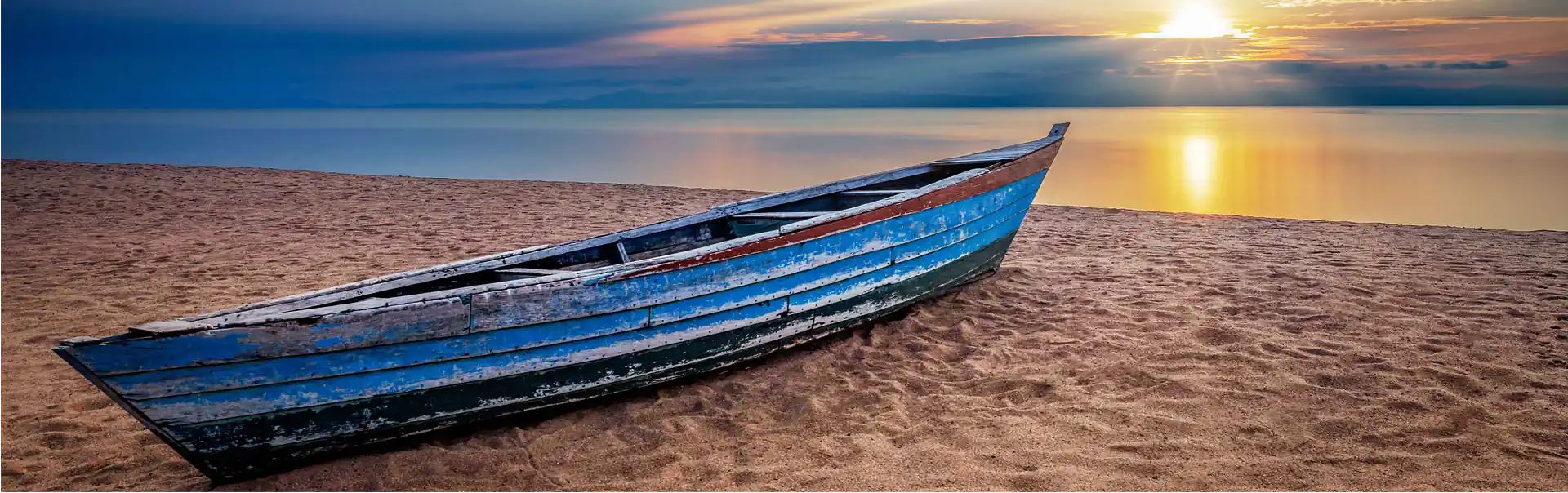
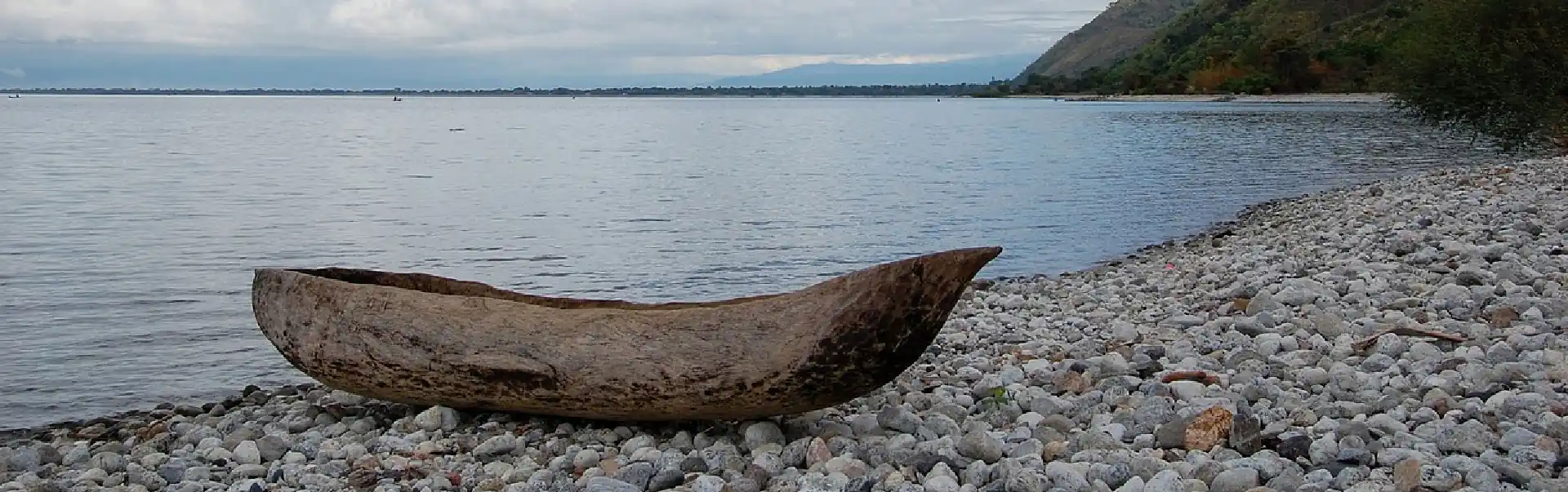
At the heart of Malawi lies Lake Malawi, a shimmering freshwater jewel stretching across the country’s eastern border. With clear turquoise waters, golden beaches, and vibrant marine life, it’s a paradise for swimmers, divers, kayakers, and those seeking peaceful lakeside escapes. The lake’s colorful cichlid fish are found nowhere else on earth, making it a dream for nature lovers and underwater explorers.
Beyond the lake, Malawi offers stunning highlands and forests. The Mulanje Massif, often called the “Island in the Sky,” rises dramatically above rolling tea plantations, attracting hikers with its scenic trails and cool mountain air. Liwonde National Park and Majete Wildlife Reserve provide excellent safari experiences where visitors can spot elephants, lions, hippos, and rare birds in pristine wilderness.
Culturally, Malawi is rich and vibrant. Communities across the country showcase traditional music, dance, crafts, and warm hospitality. Whether enjoying a lively Gule Wamkulu performance, tasting local cuisine, or exploring colorful markets, visitors are welcomed like family. From serene lakeshores to wild savannas and majestic mountains, Malawi offers a peaceful yet adventure-filled escape. It’s a country that captures hearts not with extravagance, but with authenticity, charm, and warmth.
Malawi, affectionately known as “The Warm Heart of Africa,” is a land where breathtaking natural beauty meets the unmatched kindness of its people. Nestled in southeastern Africa, this enchanting country invites travelers with its serene landscapes, diverse cultures, and unforgettable adventures.
At the heart of Malawi lies Lake Malawi, a shimmering freshwater jewel stretching across the country’s eastern border. With clear turquoise waters, golden beaches, and vibrant marine life, it’s a paradise for swimmers, divers, kayakers, and those seeking peaceful lakeside escapes. The lake’s colorful cichlid fish are found nowhere else on earth, making it a dream for nature lovers and underwater explorers.
Beyond the lake, Malawi offers stunning highlands and forests. The Mulanje Massif, often called the “Island in the Sky,” rises dramatically above rolling tea plantations, attracting hikers with its scenic trails and cool mountain air. Liwonde National Park and Majete Wildlife Reserve provide excellent safari experiences where visitors can spot elephants, lions, hippos, and rare birds in pristine wilderness.
Culturally, Malawi is rich and vibrant. Communities across the country showcase traditional music, dance, crafts, and warm hospitality. Whether enjoying a lively Gule Wamkulu performance, tasting local cuisine, or exploring colorful markets, visitors are welcomed like family. From serene lakeshores to wild savannas and majestic mountains, Malawi offers a peaceful yet adventure-filled escape. It’s a country that captures hearts not with extravagance, but with authenticity, charm, and warmth.
Malawi is
divided into three major regions and several key cities, towns, and
tourism zones. Below is a simple breakdown:
1. Northern
Region
A scenic,
less-crowded part of Malawi with mountains, lakeshore towns, and highland
landscapes.
Key Areas
- Mzuzu – the largest northern city,
gateway to the north
- Nkhata Bay – beautiful lakeshore; popular for
diving, kayaking, and backpackers
- Karonga – historic town near Tanzania
border
- Rumphi – gateway to Nyika National Park
- Likoma Island – stunning island paradise with
beaches and clear water
- Chitipa – northernmost district,
culturally diverse
Highlights
- Nyika National Park
- Livingstonia (historic missionary
town)
- Viphya Plateau
2. Central
Region
Heart of
Malawi, home to the capital city and major agricultural zones.
Key Areas
- Lilongwe – capital city, modern shopping,
wildlife center
- Dedza – pottery, mountains, rock art
- Salima – popular lakeshore area near
Lilongwe
- Ntcheu – scenic highlands
- Nkhotakota – national park and lakeshore
resorts
- Kasungu – home to Kasungu National Park
Highlights
- Lilongwe Nature Sanctuary
- Kasungu National Park
- Nkhotakota Wildlife Reserve
3. Southern
Region
The most
visited area, with mountains, tea estates, beaches, and wildlife parks.
Key Areas
- Blantyre – commercial capital
- Zomba – former capital with a beautiful
plateau
- Mangochi – lakeshore resorts and beaches
- Mulanje – famous for Mount Mulanje
- Thyolo – lush tea estates
- Chikwawa – gateway to Majete Wildlife
Reserve
- Machinga / Balaka / Phalombe – culturally rich regions
Malawi blends lake
paradise, mountains, wildlife, and culture, making it one of Africa’s most
diverse travel destinations
1. Lake Malawi National Park (Cape Maclear
& Chembe Village)
2. Liwonde
National Park
3. Majete
Wildlife Reserve
4. Mount Mulanje
5. Zomba Plateau
6. Nyika National Park
7. Likoma
Island
8. Livingstonia
9. Nkhotakota
Wildlife Reserve
10. Cultural Attractions
1. Wood Carvings
Malawi is
famous for high-quality wooden crafts:
2. Local Art
& Paintings
3. Handwoven
Baskets & Crafts
4. Chitenje
(African Fabric)
5. Malawi
Tea & Coffee
6. Jewelry & Accessories
Malawi can be
visited year-round, but the best time depends on what you want to do—wildlife,
hiking, beach relaxation, or cultural travel.
1. Best
Overall Time: May – October (Dry Season)
This is the most recommended period for travel.
2. Green
Season: November – April
This is the
rainy season. It’s still a beautiful time, especially for nature lovers.
Best Time by
Activity
Safari
June–October (Dry season)
Lake Malawi
(beaches, snorkeling, diving)
May–October
Mount
Mulanje or Zomba Plateau hiking
May–September (cool and clear)
Birdwatching
November–April (wet season)
Tea Estate
Tours (Thyolo & Mulanje)
April–July