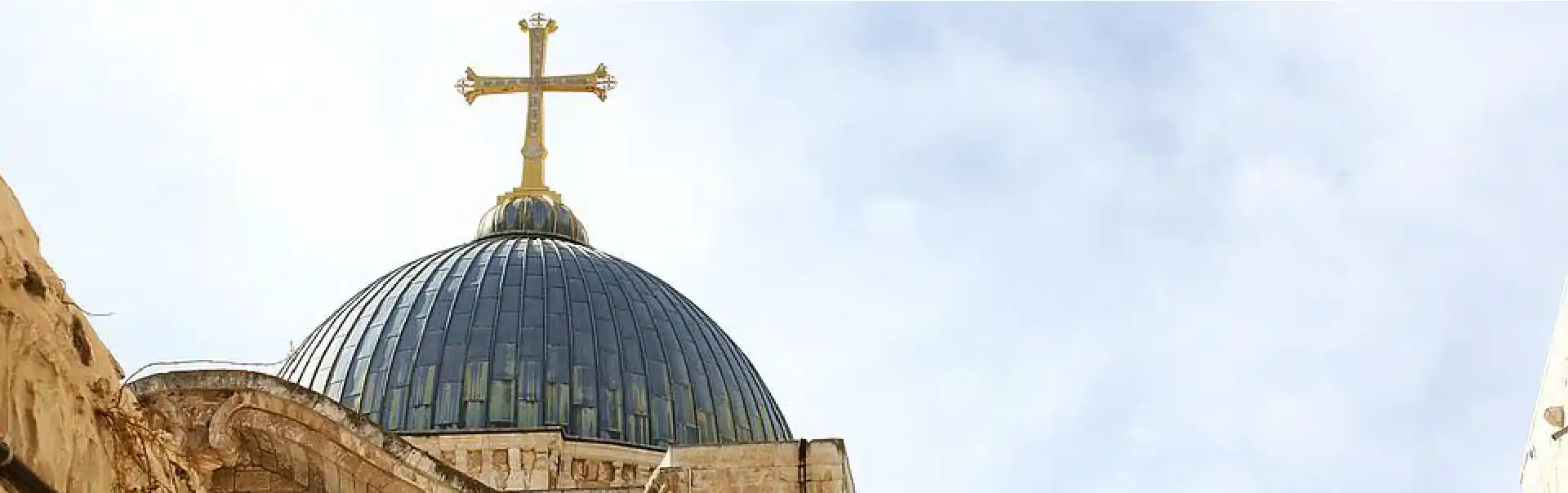
Israel
Israel
is a land where ancient history, sacred traditions, and modern innovation blend
seamlessly. Situated at the crossroads of Asia, Africa, and Europe, the country
offers an incredibly diverse travel experience—ranging from spiritual journeys
and archaeological wonders to sun-soaked beaches, vibrant cities, and
breathtaking natural landscapes.
Whether
you’re seeking spiritual enrichment, historical discovery, outdoor adventure,
or modern luxury, Israel delivers an unforgettable experience. Its compact size
allows travelers to explore a remarkable range of attractions in a short
time—making it one of the most enriching destinations in the Middle East.
Israel
is a land where ancient history, sacred traditions, and modern innovation blend
seamlessly. Situated at the crossroads of Asia, Africa, and Europe, the country
offers an incredibly diverse travel experience—ranging from spiritual journeys
and archaeological wonders to sun-soaked beaches, vibrant cities, and
breathtaking natural landscapes.
Whether
you’re seeking spiritual enrichment, historical discovery, outdoor adventure,
or modern luxury, Israel delivers an unforgettable experience. Its compact size
allows travelers to explore a remarkable range of attractions in a short
time—making it one of the most enriching destinations in the Middle East.
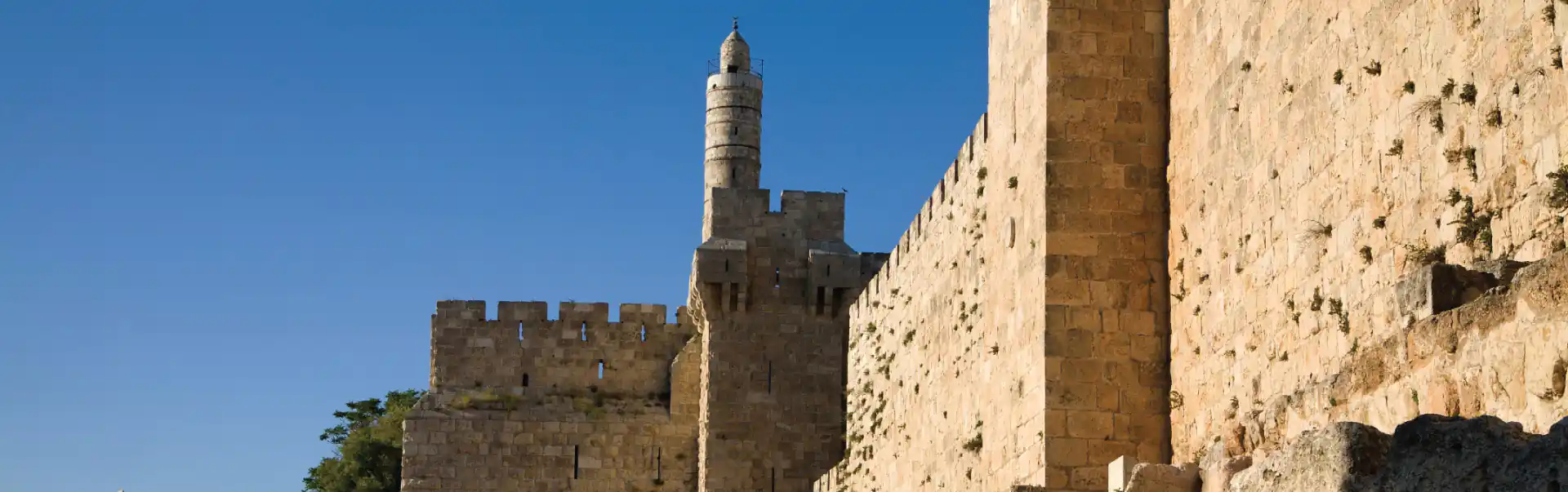
Major Areas of Israel
Israel is
divided into several key regions, each with its own identity, culture,
landscapes, and major cities. Below is a structured overview:
1. Northern
Israel (The Galilee & Golan Heights)
Known for lush
landscapes, biblical sites, mountains, and cool climate.
Key Areas &
Cities
- Galilee (Upper & Lower)
- Golan Heights
- Nazareth
- Tiberias
- Acre (Akko)
- Safed (Tzfat)
- Sea of Galilee (Lake Kinneret)
- Rosh Hanikra
Highlights
Green hills,
vineyards, Christian pilgrimage sites, hot springs.
2. Haifa
& the Carmel Region
A coastal and
mountainous area with a mix of beaches and urban culture.
Key Areas &
Cities
- Haifa
- Mount Carmel
- Zichron Ya'akov
- Caesarea
Highlights
Baháʼí Gardens,
Mediterranean coastline, historic Roman ruins.
3. Tel Aviv
& Central Israel
The modern,
cosmopolitan heart of the country.
Key Areas &
Cities
- Tel Aviv
- Jaffa (Yafo)
- Herzliya
- Petah Tikva
- Ramat Gan
- Netanya
Highlights
Beaches,
nightlife, innovation hubs, cultural festivals, culinary scene.
4. Jerusalem
& Surrounding Areas
The spiritual
and historical center of Israel.
Key Areas &
Cities
- Jerusalem (East & West)
- Bethlehem (Palestinian Territories)
- Ein Karem
- Abu Ghosh
Highlights
Old City, holy
sites (Western Wall, Church of the Holy Sepulchre, Al-Aqsa), museums.
5. Southern
Israel (Negev Desert & Eilat Region)
Vast desert
landscapes, outdoor adventure, and the Red Sea.
Key Areas &
Cities
- Negev Desert
- Beer Sheva
- Mitzpe Ramon
- Timna Park
- Eilat
Highlights
Crater
landscapes, desert hiking, coral reefs, warm climate year-round.
6. Dead Sea
Region
The lowest
point on earth, famous for salt formations and therapeutic mud.
Key Areas
- Ein Gedi
- Masada
- Neve Zohar
Highlights
Floating in the
Dead Sea, desert oases, ancient fortresses.
7. West Bank
Areas (Palestinian Territories)
Culturally
significant and historically rich, often part of guided tours.
Key Areas &
Cities
- Ramallah
- Jericho
- Hebron
- Nablus
- Bethlehem
Highlights
Pilgrimage
sites, archaeological areas, local markets.
Major
Attractions in Israel
Israel is a
land rich in history, spirituality, culture, and natural beauty. From ancient
cities to modern marvels, here are the top places that attract millions of
visitors each year:
1. Jerusalem
– Old City
A UNESCO World
Heritage Site and one of the world’s most sacred destinations.
Highlights:
- Western Wall (Judaism’s holiest
prayer site)
- Church of the Holy Sepulchre (where
Christians believe Jesus was crucified & resurrected)
- Dome of the Rock (iconic Islamic
shrine)
- Via Dolorosa
- Ancient markets, alleyways, and
historic quarters
2. Tel Aviv
A vibrant,
modern city known for its nightlife, beaches, and innovation.
Highlights:
- Tel Aviv Beachfront
- Jaffa Old Port
- Rothschild Boulevard
- Carmel Market
- Art, fashion, food, and
cutting-edge architecture
3. Dead Sea
The lowest
point on Earth, famous for its mineral-rich waters and health benefits.
Experience:
- Float effortlessly in the salty
water
- Natural mud treatments
- Desert landscapes
4. Masada
National Park
An ancient
fortress atop a desert plateau overlooking the Dead Sea.
Why Visit:
- Dramatic history of Jewish
resistance
- Sunrise hikes
- Cable car views over the desert
5. Galilee
Region
Known for lush
landscapes and important biblical sites.
Highlights:
- Sea of Galilee
- Nazareth (childhood home of Jesus)
- Mount of Beatitudes
- Water sports and scenic drives
6. Haifa
& the Bahá’í Gardens
A stunning
terraced garden complex descending Mount Carmel.
Why Visit:
- One of the most beautiful
landscapes in Israel
- UNESCO World Heritage Site
- Panoramic city and sea views
7. Eilat
A resort city
on the Red Sea, ideal for relaxation and adventure.
Highlights:
- Diving and snorkeling
- Desert mountains
- Beaches and luxury resorts
8. Acre
(Akko)
A historic port
city with Crusader-era architecture.
Attractions:
- Ancient city walls
- Markets and mosques
- Knights’ Halls and underground
tunnels
9. The Negev
Desert
A vast,
dramatic landscape offering outdoor adventures.
Highlights:
- Ramon Crater (Makhtesh Ramon)
- Bedouin culture
- Hiking, biking, stargazing
10.
Bethlehem
A major
Christian pilgrimage destination.
Highlight:
- Church of the Nativity, believed to
be the birthplace of Jesus
11. Caesarea
A fascinating
archaeological site on the Mediterranean coast.
Why Visit:
- Roman amphitheater
- Aqueduct
- Crusader fortress
- Seaside views
12. The
Golan Heights
A beautiful
highland region offering nature, wineries, and views.
Highlights:
- Mount Hermon
- Hot springs in Hamat Gader
- Hiking trails, waterfalls, and
vineyards
Israel is a
destination with diverse climates, religious sites, modern cities, beaches, and
deserts. Packing well ensures comfort, respect for local culture, and readiness
for varying weather.
1. Clothing
Essentials
For General
Travel
- Lightweight, breathable clothing
(cotton/linen)
- Comfortable walking shoes (streets,
old cities, archaeological sites)
- Casual outfits for city exploration
(Tel Aviv, Haifa)
- Sandals or flip-flops (for beaches
or hotels)
- Hat or cap (sun protection)
For
Religious / Holy Sites
Many sites
require modest clothing:
- Long pants or skirts (below the
knee)
- Tops covering shoulders and chest
- Light scarf or shawl (useful for
women; some sites require head covering)
For Beaches
- Swimwear
- Beach towel or quick-dry towel
- Cover-up for walking around public
areas
For Cold or
Transitional Weather
(Especially
November–March)
- Warm jacket or fleece
- Light sweater
- Closed shoes for rain
- Umbrella or compact rain jacket
2.
Accessories & Gear
- Sunglasses
- Reusable water bottle (a must in
summer)
- Small daypack for city tours or
hikes
- Camera or smartphone for photos
- Power bank (long sightseeing days)
3. Health
& Personal Items
- Sunscreen (high SPF — the sun is
strong year-round)
- Moisturizer & lip balm (desert
areas are dry)
- Insect repellent (especially near
freshwater areas)
- Any prescription medications
- Basic first aid kit
4. Travel
Documents & Essentials
- Passport (valid for at least 6
months)
- Printed hotel confirmations &
travel itinerary
- Visa documents (if required for
your nationality)
- Credit cards + some cash (New
Israeli Shekel—NIS)
- Travel insurance
5.
Electronics
- Universal power adapter (Israel
uses Type H plugs; Type C also works in many places)
- Phone + charger
- Camera + memory cards
- E-reader or tablet for long travel
days
6. Optional
but Useful Items
- Scarf for modesty at holy sites or
warmth in winter
- Hiking boots (if visiting desert
areas like Negev, Masada, or the Galilee)
- Travel laundry soap
- Lightweight binoculars
- Hebrew phrasebook or translation
app
Israel is a
year-round destination with varied climates—from Mediterranean beaches to
desert landscapes—so the best time to visit depends on the experience you want.
Best Overall
Time: March–May (Spring) & September–November (Autumn)
These two
seasons offer the most pleasant weather and the best sightseeing conditions.
Spring
(March–May)
- Mild temperatures (15–25°C)
- Blooming landscapes in the Galilee
& Golan Heights
- Perfect for outdoor touring,
religious sites, and nature hikes
- Not too hot for visiting the Dead
Sea or Masada
Autumn
(September–November)
- Warm but comfortable weather
(20–30°C)
- Ideal for beach visits, desert
trips, and cultural tours
- Fewer crowds than summer
- Clear skies perfect for photography
Summer:
June–August
Best for: Beach
lovers, nightlife, Eilat, Mediterranean coast
- Hot temperatures (30–40°C depending
on region)
- Tel Aviv and coastal cities are
vibrant with festivals & events
- Desert areas like Negev and Dead
Sea get extremely hot
- Best time for Red Sea diving in
Eilat
Good to know:
- Peak tourism season
- Higher prices for hotels &
flights
- Perfect for families and
sun-seekers
Winter:
December–February
Best for: Holy
Land pilgrimages, Jerusalem sites, mild coastal weather
- Cool to cold temperatures
- Tel Aviv: 12–18°C
- Jerusalem: 5–12°C (can
occasionally see snow!)
- Green landscapes in the north
- Very pleasant for religious tours
& historical sites
Good to know:
- Rainy season, especially along the
coast
- Desert areas remain mild and
beautiful for hiking
- Lower crowds, better hotel rates