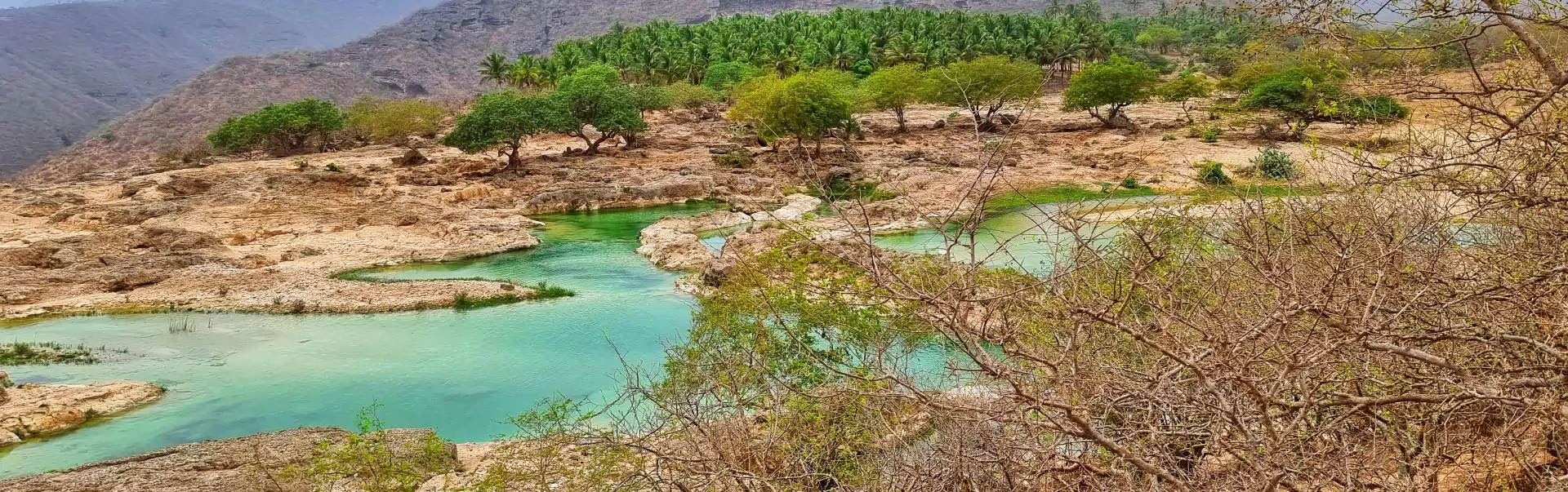
Oman
Oman is a sovereign nation located in Western Asia on the southeastern coast of the Arabian Peninsula. Officially known as the Oman, it shares borders with United Arab Emirates, Saudi Arabia, and Yemen, while its coastline extends along the Arabian Sea, the Gulf of Oman, and the Persian Gulf. The capital city is Muscat, which serves as the country's political, economic, and cultural center. Oman has a population of approximately 5 million people and Arabic is the official language, although English is widely used in business and tourism. The national currency is the Omani Rial (OMR), one of the strongest currencies in the region.
Oman is known for its political stability, rich cultural heritage, and breathtaking natural landscapes that range from pristine beaches and rugged mountains to vast deserts and lush wadis. The country's economy has traditionally been driven by oil and gas exports, but in recent years it has diversified into tourism, logistics, manufacturing, fisheries, and renewable energy. Tourism has become an increasingly important sector, attracting visitors with historic forts, traditional souqs, desert adventures, luxury resorts, and cultural attractions such as the Sultan Qaboos Grand Mosque. Oman enjoys a warm climate throughout the year, with the most favorable travel season being from October to April. Renowned for its hospitality, safety, and authentic Arabian experiences, Oman has established itself as one of the most attractive leisure and business destinations in the Middle East and a growing hub for regional tourism and investment.
Oman is a sovereign nation located in Western Asia on the southeastern coast of the Arabian Peninsula. Officially known as the Oman, it shares borders with United Arab Emirates, Saudi Arabia, and Yemen, while its coastline extends along the Arabian Sea, the Gulf of Oman, and the Persian Gulf. The capital city is Muscat, which serves as the country's political, economic, and cultural center. Oman has a population of approximately 5 million people and Arabic is the official language, although English is widely used in business and tourism. The national currency is the Omani Rial (OMR), one of the strongest currencies in the region.
Oman is known for its political stability, rich cultural heritage, and breathtaking natural landscapes that range from pristine beaches and rugged mountains to vast deserts and lush wadis. The country's economy has traditionally been driven by oil and gas exports, but in recent years it has diversified into tourism, logistics, manufacturing, fisheries, and renewable energy. Tourism has become an increasingly important sector, attracting visitors with historic forts, traditional souqs, desert adventures, luxury resorts, and cultural attractions such as the Sultan Qaboos Grand Mosque. Oman enjoys a warm climate throughout the year, with the most favorable travel season being from October to April. Renowned for its hospitality, safety, and authentic Arabian experiences, Oman has established itself as one of the most attractive leisure and business destinations in the Middle East and a growing hub for regional tourism and investment.
Oman covers an area of approximately 309,500 square kilometers (119,500 square miles), making it the third-largest country on the Arabian Peninsula. The country is divided into 11 governorates, with the most notable being:
- Muscat Governorate – Home to the capital city, Muscat, and the country's main commercial and administrative center.
- Dhofar Governorate – Located in southern Oman and known for Salalah, its lush landscapes, and the Khareef monsoon season.
- Al Dakhiliyah Governorate – Famous for historic cities such as Nizwa and mountain attractions.
- Al Batinah North Governorate and Al Batinah South Governorate – Important agricultural and industrial regions along the northern coast.
- Musandam Governorate – A scenic exclave separated from the rest of Oman, renowned for its dramatic fjord-like coastline.
Top Tourist Attractions to Visit in Oman
Muscat
- Sultan Qaboos Grand Mosque
- Mutrah Souq
- Mutrah Corniche
- Royal Opera House Muscat
- Al Alam Palace
- Al Jalali Fort
- Al Mirani Fort
- National Museum of Oman
Historic & Cultural Attractions
- Nizwa
- Nizwa Fort
- Bahla Fort
- Jabrin Castle
- Nakhal Fort
- Rustaq Fort
Natural Attractions
- Wadi Shab
- Wadi Bani Khalid
- Bimmah Sinkhole
- Jebel Shams
- Jebel Akhdar
- Al Hajar Mountains
Desert Attractions
- Wahiba Sands
- Al Khaluf White Sands
Beaches & Marine Attractions
- Ras Al Jinz Turtle Reserve
- Daymaniyat Islands
- Qurum Beach
- Al Mughsail Beach
Southern Oman (Salalah & Dhofar)
- Salalah
- Wadi Darbat
- Al Mughsail Blowholes
- Sumhuram Archaeological Park
Musandam Region
- Musandam Governorate
- Khasab
- Khasab Fjords
- Telegraph Island
Essential Clothing
- Lightweight cotton or linen shirts and trousers
- T-shirts and casual wear for sightseeing
- Long-sleeved shirts for sun protection
- Modest clothing for visits to mosques and cultural sites
- Light sweater or jacket for air-conditioned venues and cooler winter evenings (November–February)
- Swimwear for hotel pools and beach resorts
- Comfortable walking shoes or sandals
For Women
- Loose-fitting clothing covering shoulders and knees in public areas
- A scarf or shawl for visiting mosques such as Sultan Qaboos Grand Mosque
- Modest beachwear outside resort areas
Travel Essentials
- Passport and visa documents (if required)
- Travel insurance details
- Credit/debit cards and some Omani Rial (OMR) cash
- Mobile phone charger and power bank
- Universal travel adapter (Oman uses Type G plugs, similar to the UK)
Health & Comfort Items
- Sunscreen (high SPF)
- Sunglasses
- Hat or cap
- Lip balm and moisturizer
- Personal medications
- Reusable water bottle
If Planning Desert or Adventure Trips
- Lightweight hiking shoes
- Small backpack
- Camera or binoculars
- Extra sunscreen
- Light jacket for cool desert evenings
Business Travelers
- Smart business attire for meetings
- Business cards
- Laptop and chargers
The best time to visit Oman is from October to April, when the weather is pleasantly warm and ideal for sightseeing, beach holidays, desert excursions, and outdoor activities. During this period, daytime temperatures generally range from 20°C to 30°C, making it comfortable to explore attractions in Muscat, visit wadis, enjoy dhow cruises, or venture into the desert.
Seasonal Overview
October to April (Peak Season)
- Pleasant temperatures and sunny weather
- Best for city tours, beaches, desert safaris, hiking, and cultural experiences
- Ideal for visiting landmarks such as Sultan Qaboos Grand Mosque and the mountain regions around Jebel Akhdar
- Most popular period for international tourists
May to September (Summer Season)
- Very hot, especially in inland areas, with temperatures often exceeding 40°C
- Suitable mainly for resort stays and indoor activities
- Coastal areas can be humid
June to September (Khareef Season in Southern Oman)
- The region around Salalah experiences a unique monsoon known as the Khareef
- Mountains and valleys turn green, attracting visitors from across the Gulf region
- Best time to visit Salalah for nature, waterfalls, and cooler weather