Comoros
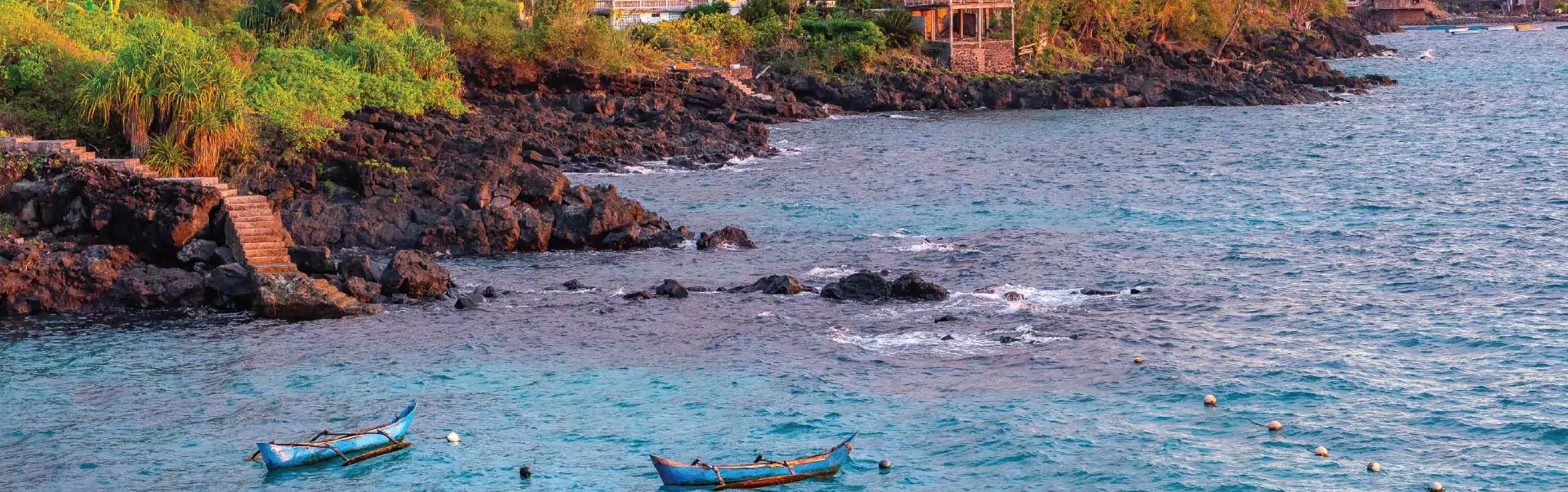
The Comoros is a beautiful island nation in the Indian Ocean, located between Madagascar and the eastern coast of Africa. Known for its pristine beaches, turquoise waters, volcanic landscapes, fragrant ylang-ylang plantations, and rich blend of African, Arab, and French influences, Comoros offers travelers a peaceful and authentic island experience away from the usual tourist crowds.
Its natural beauty, distinctive culture, and warm island hospitality make it an appealing destination for beach holidays, nature exploration, cultural discovery, and romantic getaways.
Strategic Island Location: Located in the Indian Ocean between East Africa and Madagascar, Comoros offers a unique blend of African, Arab, and French cultural influences.
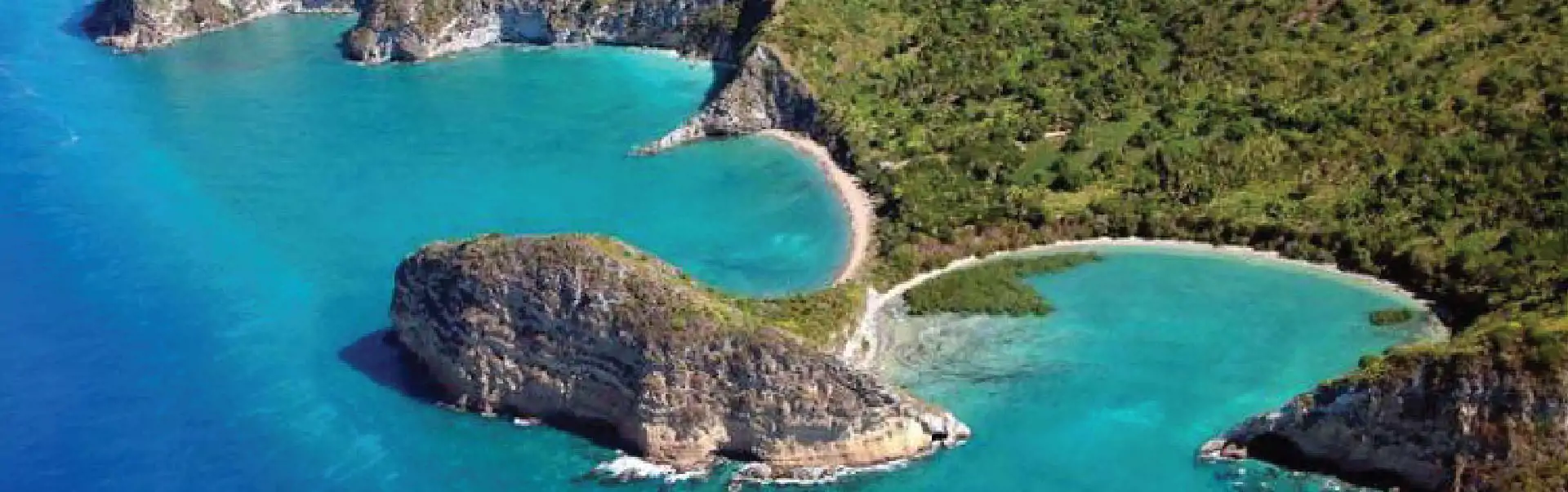
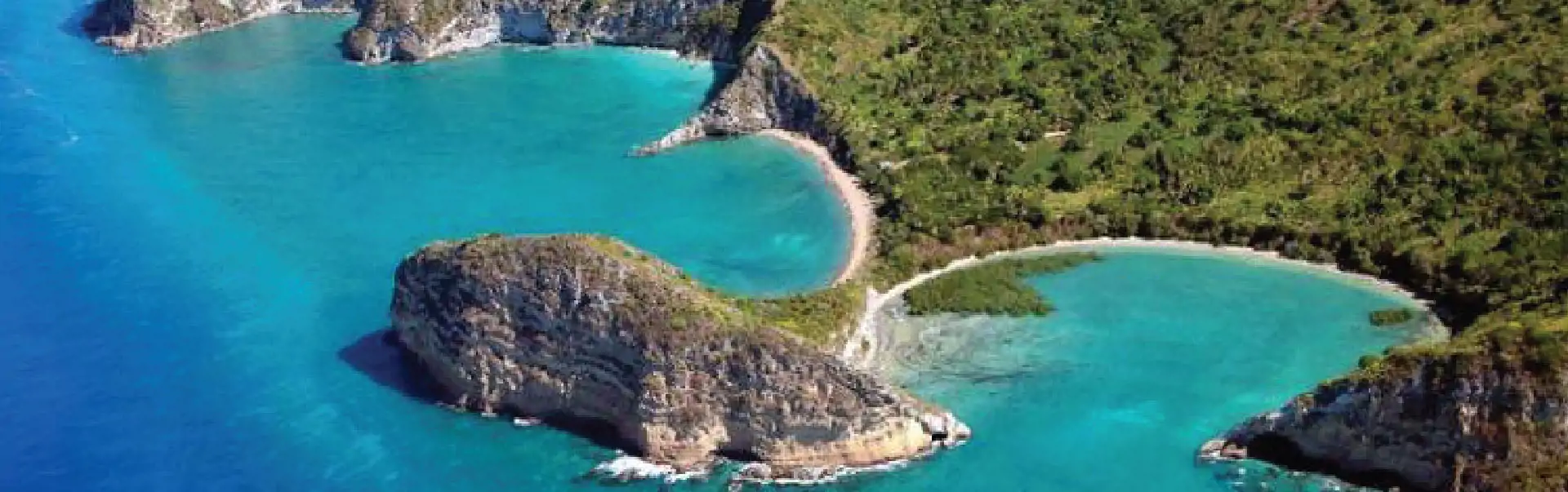
Stunning Natural Beauty: Features pristine beaches, turquoise waters, coral reefs, lush vegetation, and dramatic volcanic landscapes.
Mount Karthala: Home to one of the world's largest active volcanic calderas, offering spectacular scenery and hiking opportunities.
Rich Cultural Heritage: Reflects a distinctive mix of Swahili, Arab, African, and French traditions, visible in its architecture, cuisine, music, and local customs.
Marine Biodiversity: Offers opportunities for snorkeling, diving, sea turtle observation, and other marine wildlife experiences, particularly around Mohéli.
Ylang-Ylang and Spice Production: Known for its fragrant ylang-ylang flowers, vanilla, and cloves, which contribute to its agricultural and perfume industries.
Authentic Island Experiences: Provides traditional markets, historic towns, fishing villages, and opportunities to experience local island life.
Emerging Tourism Potential: Offers opportunities for beach holidays, adventure tourism, ecotourism, cultural excursions, and customized leisure packages.
Tropical Climate: Enjoys warm weather throughout the year, with a generally drier season from May to October and a wetter season from November to April.
Comoros is an archipelago in the Indian Ocean, consisting of three main islands administered by the Union of the Comoros: Grande Comore, Anjouan, and Mohéli. The nearby island of Mayotte is geographically part of the archipelago but is administered by France.
- Grande Comore (Ngazidja): The largest island and the country's main economic and administrative center. It is home to the capital, Moroni, Mount Karthala volcano, coastal villages, and scenic beaches.
- Anjouan (Ndzuwani): Known for its lush green mountains, fertile valleys, clove plantations, and traditional settlements. Its main town, Mutsamudu, features a historic medina and an important port.
- Mohéli (Mwali): The smallest of the three islands, recognized for its natural beauty, quiet beaches, coral reefs, and marine biodiversity. Mohéli is particularly suitable for ecotourism and wildlife experiences.
- Mayotte: An island in the Comorian archipelago administered by France. It is known for its extensive lagoon, coral reefs, and marine life, but it is not part of the Union of the Comoros.
1. Mount Karthala: An active volcano offering spectacular landscapes, a vast crater, and hiking opportunities for adventure enthusiasts.
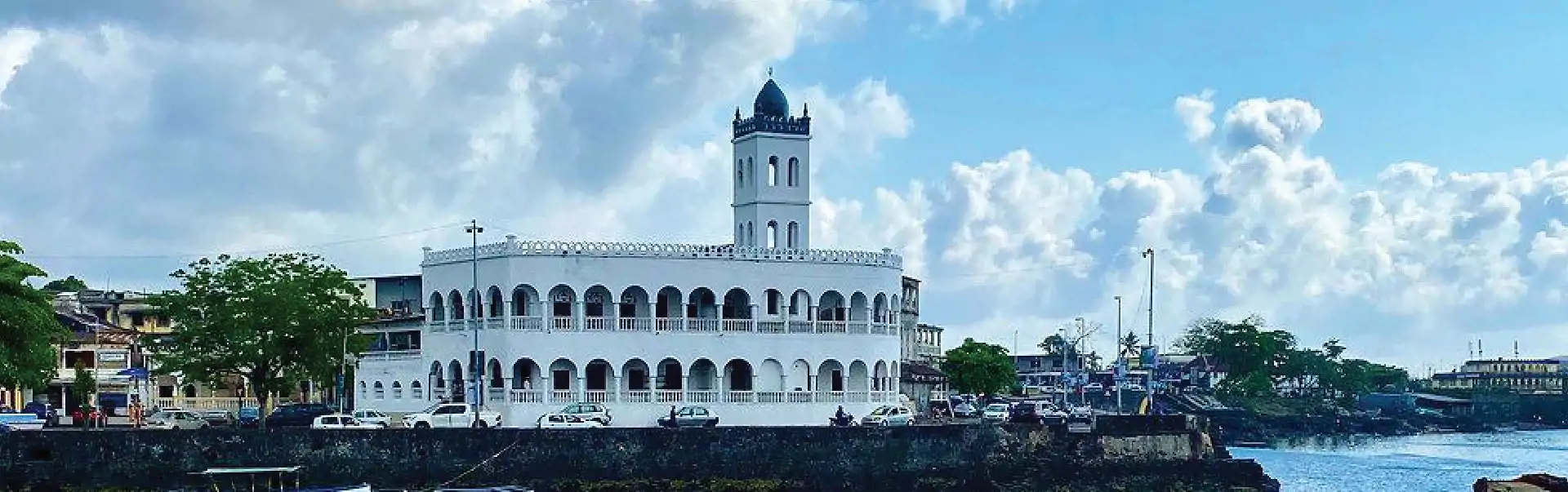
2. Moroni Old Town: Explore historic streets, traditional Swahili-Arab architecture, local markets, and the famous Friday Mosque.
3. Mohéli Marine Park: A protected marine area known for coral reefs, sea turtles, dolphins, and opportunities for snorkeling and nature excursions.
4. Mutsamudu Medina: Discover historic alleyways, traditional buildings, and the cultural heritage of Anjouan's principal port town.
5. Mitsamiouli Beaches: Enjoy scenic coastal landscapes, sandy beaches, and relaxing seaside experiences.
6. Lac Salé: A picturesque saltwater lake set within a volcanic landscape, associated with local legends and offering opportunities for sightseeing and photography.
7. Chomoni Beach: A beautiful coastal spot known for its turquoise waters and tranquil tropical surroundings.
8. Bimbini Beach: A scenic beach destination suitable for relaxation and enjoying views of the Indian Ocean.
9. Dziani Boundouni: A volcanic crater lake surrounded by green hills, offering a distinctive natural attraction for visitors exploring Mohéli.
10. Ylang-Ylang and Spice Plantations: Visit local plantations to learn about the cultivation and processing of ylang-ylang, vanilla, and cloves, important products in Comoros' agricultural and perfume industries.
Lightweight Clothing: Pack breathable, lightweight clothing suitable for the warm, humid tropical climate.
Beachwear: Bring swimsuits, beachwear, sandals, and a quick-drying towel for beach activities and swimming.
Modest Clothing: Include modest outfits for visiting mosques, traditional villages, and local communities, in consideration of the country's Muslim culture.
Sun Protection: Carry sunscreen, sunglasses, a wide-brimmed hat, and lip balm with SPF to protect against strong tropical sunshine.
Comfortable Footwear: Pack walking shoes or hiking boots for exploring volcanic landscapes, nature trails, and historic towns.
Rain Protection: Bring a lightweight rain jacket or compact umbrella, particularly if traveling during the rainy season from November to April.
Insect Repellent: Carry insect repellent for protection against mosquitoes, especially during evenings and outdoor excursions.
Snorkeling Equipment: Consider bringing a mask and snorkel if you plan to explore coral reefs and marine life.
Personal Essentials: Pack toiletries, personal medications, basic first-aid supplies, and hand sanitizer.
Travel Documents: Carry a valid passport, any required visa documents, travel insurance details, accommodation confirmations, and copies of important travel documents.
Electronics and Accessories: Bring your phone, camera, chargers, a power bank, and a suitable travel adapter.
Cash and Payment Cards: Carry some local currency or other suitable payment options, as card acceptance and ATM availability may be limited in some areas.
Comoros can be visited throughout the year, thanks to its tropical climate and warm temperatures. However, the best time to visit is from May to October, when the weather is generally cooler, drier, and more suitable for sightseeing, beach holidays, hiking, and outdoor activities.
May to October – Dry Season: Ideal for beach relaxation, volcano trekking, island exploration, and cultural tours, with relatively lower humidity and less rainfall.
November to April – Wet Season: Characterized by warmer temperatures, higher humidity, and heavier rainfall. Visitors may still enjoy the islands, but outdoor activities and transport schedules can be affected by weather conditions.